
Fashion & Beauty · 29 Sept 2025
Unqualified Cosmetic Surgery in South Africa: Social Media Risks
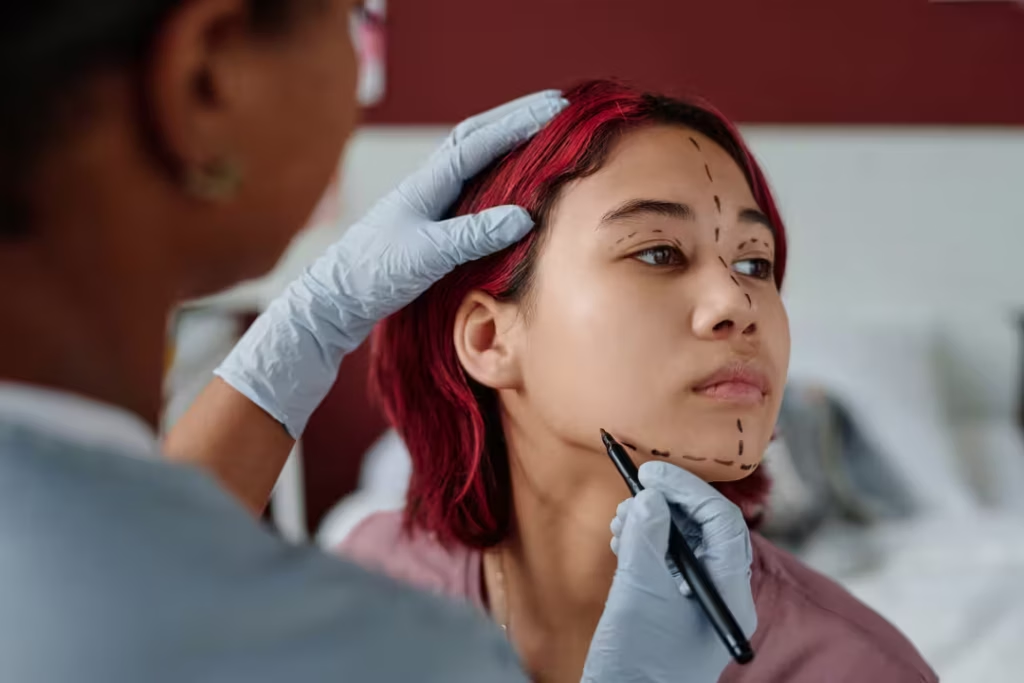
Unsuspecting South Africans scrolling Instagram or TikTok are being targeted by doctors marketing themselves as “cosmetic surgeons” or “cosmetic specialists” – a title that does not exist under the Health Professions Council of South Africa (HPCSA).
An expert warns that this confusion, combined with cut-price offers, is driving a wave of life-altering, botched, and unqualified cosmetic surgery procedures, as well as costly legal battles.
Dangers of Unqualified Cosmetic Surgery
Professor Chrysis Sofianos, a leading plastic surgeon, notes that filtered photos and persuasive marketing tactics hide the very real risks of procedures performed by non-specialists.
“Only specialists in plastic and reconstructive surgery are trained and recognised to perform complex operations safely. Anything else puts patients at risk of life-long complications.”
~ Professor Chrysis Sofianos, Leading Plastic Surgeon

International data points to the danger. A 2024 study in the Aesthetic Surgery Journal found that cosmetic surgeries performed by residents had a revision rate of 22.2%, meaning that more than one in five patients needed additional corrective surgery. This is compared to surgeries performed by experienced attending surgeons, which had a revision rate of just 3.6%. The lesson is clear: there is no substitute for years of surgical training and experience.
Rising Complaints Against Unqualified Surgeons
The HPCSA logged 2,041 complaints in 2023/24, up from 1,458 in 2020/21 – a dramatic 40% rise in just three years. Negligence, incompetence, and insufficient care topped the list, with 1,820 cases formally registered for further action.
The regulator does not break down the number of cosmetic procedures involved. However, the Association of Plastic, Reconstructive and Aesthetic Surgeons of Southern Africa (APRASSA) has raised concerns that unqualified practitioners are offering complex operations such as liposuction, breast reductions, and Brazilian butt lifts. Poorly executed, these procedures can leave patients scarred, disfigured, or in need of corrective surgery costing hundreds of thousands of rand.
Misleading Titles in Cosmetic Surgery
APRASSA has noted that the problem lies not only in poor outcomes but in the confusion created by titles. “Cosmetic surgeon” and “aesthetic surgeon” are not recognised specialities in South Africa.
Plastic and reconstructive surgeons earn licences to perform these operations only after they complete more than seven years of additional surgical training and pass board examinations. But on social media, even a doctor with a few days of training can pose as an expert, blurring the line between influencer and surgeon.
Cut-throat discounts and appealing social media feeds don’t only empower unqualified GPs – they can also help negligent surgeons mask their poor results behind filters and promotions, until the damage is already done. But corrective procedures can cost as much as five times more than the original surgery, with patients carrying both the financial burden and years of physical pain and emotional trauma.
Real-Life Impacts of Botched Procedures
The risks are all too real. Unqualified cosmetic surgery has already permanently damaged the lives and health of patients in several high-profile South African cases:
Case Studies of Malpractice
- Benoni surgeon banned: In 2020, authorities struck a surgeon from the register after multiple patients lodged complaints about failed procedures that left them scarred for life. One patient lost his leg and career; others suffered disfigurement, and many endured years of pain before receiving justice.
- Pretoria malpractice claim: In 2018, a mother of three sued for over R1.8 million after a GP misrepresented his qualifications and left her disfigured following breast reduction surgeries. This case showed how easily non-specialist healthcare providers can mislead patients.
- BBL controversy: More recently, APRASSA has raised alarms about GPs marketing Brazilian butt lifts (BBLs). Although regarded globally as one of the riskiest cosmetic operations with one of the highest mortality rates among cosmetic surgeries, some practitioners openly advertise the procedure on social media.
“These are not isolated events. They reflect a dangerous pattern of unqualified individuals performing invasive surgeries without the training or facilities to do so safely.”
~ Professor Chrysis Sofianos, Leading Plastic Surgeon
Patient Stories and Safety Tips
For reality TV star Nozipho Ntshangase, who is undergoing a Mommy Make-Over with Professor Sofianos, separating the marketing from the medicine has been critical.
“I know how tempting those Instagram results look, but you often don’t know who’s really behind the scalpel.”
~ Nozipho Ntshangase, Reality TV Star
She offers the following tips for navigating social media safely:
Tips for Choosing a Qualified Surgeon
- Look beyond the likes: “A popular page doesn’t mean a safe surgeon. Always cross-check their HPCSA registration.”
- Ask for proof: “Don’t accept before-and-after pictures at face value. Make sure they’re real patients, not stock images.”
- Trust your instincts: “If someone is pushing discounts on WhatsApp or promising scar-free results or no downtime, that’s a red flag.”
Verifying Surgeon Credentials
Professor Sofianos adds that patients considering cosmetic surgery should verify their doctor’s credentials on the HPCSA iRegister portal and also check their membership with APRASSA.
“South Africa has world-class specialists. But patients must do their homework. Don’t trust titles, don’t trust filtered photos, and don’t trust bargain prices. Only trust proper credentials – your life and your safety may depend on it.”
~ Professor Chrysis Sofianos, Leading Plastic Surgeon
Stay Informed and Safe
Protect yourself from unqualified cosmetic surgery by verifying credentials and conducting thorough research. Check a surgeon’s registration at the HPCSA iRegister Portal, find qualified plastic surgeons through APRASSA Membership Information, and learn about surgical risks from the Aesthetic Surgery Journal 2024 Study. Your safety starts with informed choices.
For more articles, go here