
Wellness & Health · 12 May 2025
Understanding Postpartum Hair Loss: Why It’s Normal and How to Manage It
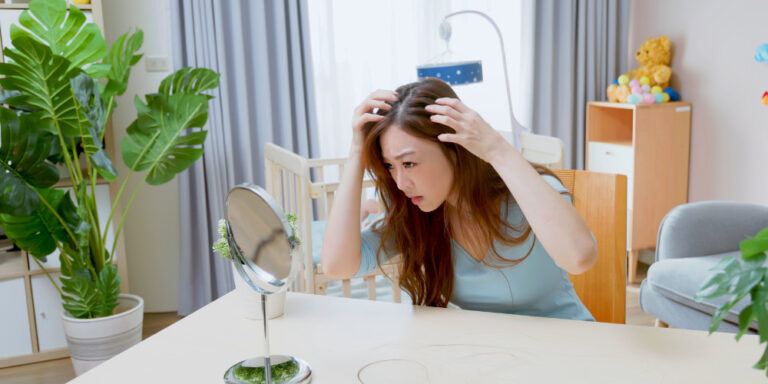
Even though Mother’s Day has passed, the challenges faced by mothers remain front of mind. One issue that continues to affect many women silently is postpartum hair loss – often dismissed or misunderstood, yet deeply tied to a mother’s physical and emotional well-being.
Dr Kashmal Kalan, a hair restoration expert and Medical Director at Alvi Armani, explains why postpartum hair shedding happens, when it’s normal, and when it’s worth seeking treatment. With practical tips, insights on recovery, and gentle reassurance, this is a timely piece that offers emotional support and trusted medical guidance for mothers navigating this often-distressing experience.
Why Hair Loss After Pregnancy Feels Alarming But Is Completely Normal
Thicker, stronger, and healthier – many women experience the best hair growth of their lives during pregnancy, and often the worst shortly after. Postpartum hair loss is temporary, typically lasting a few months, but it can severely affect a new mother on an emotional and psychological level if care isn’t taken.
“Most women experience some level of hair loss shortly after pregnancy. While it might shock many women, it’s important to remember that the hair will regrow naturally in due course, and that treatments are available if hair loss persists,” says Dr. Kashmal Kalan.
Understanding the Biology
During pregnancy, elevated oestrogen levels keep most follicles in the growing phase. After childbirth, hormone levels drop suddenly, pushing many follicles into the resting phase, which leads to pronounced shedding about three months postpartum.
Mitigating Risk Factors
Hair loss can cause distress, and heightened stress fuels further hair loss. Mentally preparing for postpartum hair loss months in advance and continuing prenatal supplements can help minimize stress and ensure nutritional needs are met.
Exploring Treatment Options
Platelet-rich plasma (PRP) therapy is a popular treatment option that uses the patient’s blood cells to stimulate hair follicles, posing no threat to breastfed infants.
Finally, it’s crucial to remember that hair is part of the wider conversation about maternal health. Understanding what happens on the scalp can help mothers focus on recovery rather than stress over changes.