
Fashion & Beauty · 16 Jan 2025
The truth about sunscreen: It’s only 53% effective
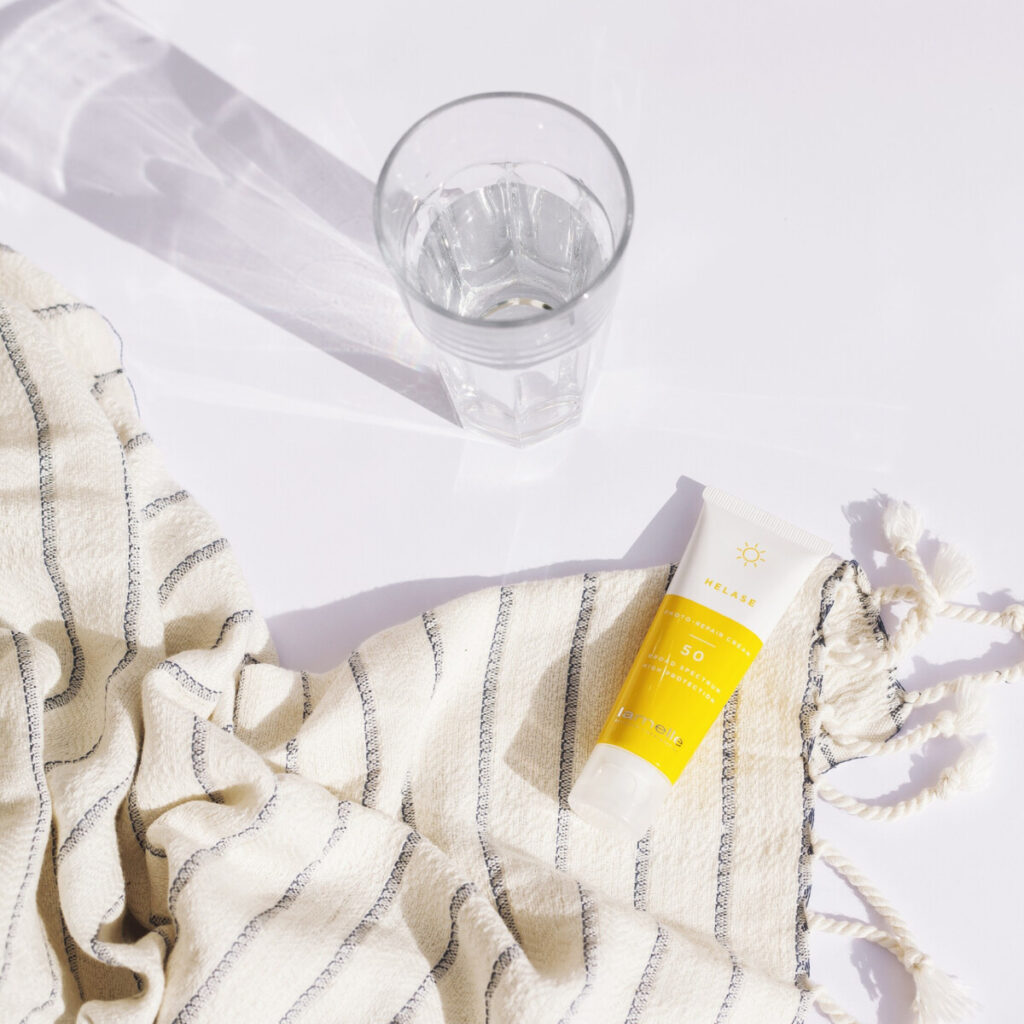
We rely on sunscreen to protect us from sunburn and premature aging, but did you know that even if you apply sun protection daily, you are not entirely safe? A 2012 study found that even SPF 50 only stops about half of the potential sun damage that causes photo-aging.
After decades of effort to teach people the importance of wearing sunscreen every day, we’re faced with a harsh truth: sunscreen alone is not enough. According to a much-quoted study by Haywood R., Volkov A., et al. in 2012, even antioxidants aren’t as effective as once believed.
What the Study Found
Although you should still wear sunscreen every day, sunscreen alone cannot halt the entire range of sun damage your skin faces daily. During controlled testing, scientists showed that SPF 50 and antioxidants block only a percentage of the damage caused by sunlight.
Here’s a closer look at the five wavelengths of UV light (sunlight), how they affect your body, and how effective sunscreen is against them:
1. UVC
- Wavelength: 200–280 nm
- Effects on Skin: Devastating and deadly, but thankfully absorbed by Earth’s atmosphere.
- Does SPF Work?
- Organic sunscreens: No
- Inorganic sunscreens: No
- Zinc and titanium: No
- Iron oxide: Protects 90%–97%
- Do Antioxidants Work? No
Solution: Lamelle Helase mops up damage with TRPV1 inhibition and DNA-correcting enzymes, in case of UVC exposure or early UVB damage.
2. UVB
- Wavelength: 280–320 nm
- Effects on Skin: Causes sunburn, DNA damage, and oxidative damage to molecules.
- Does SPF Work?
- Organic sunscreens: Yes
- Inorganic sunscreens: Yes
- Zinc and titanium: Yes
- Iron oxide: Yes (96% effectiveness)
- Do Antioxidants Work? No
Solution: Lamelle Helase supplements NER with Photolyase DNA correction.
3. UVA
- Wavelength: 320–400 nm
- Effects on Skin:
- DNA damage, mutation, and cancer due to oxidative damage to DNA and molecules.
- Causes immune suppression.
- Does SPF Work?
- Organic sunscreen: 53%
- Inorganic sunscreens, zinc, and titanium: ~50%
- Iron oxide: 85%–95%
- Do Antioxidants Work? No
Solution: Lamelle Helase adds super antioxidants and OGG-1 enzyme for DNA repair.
4. Visible Light
- Wavelength: 400–700 nm
- Effects on Skin:
- Photo-aging, DNA damage, mutation, and cancer.
- Causes immune suppression and free radical formation.
- Does SPF Work?
- Organic sunscreens: Yes
- Iron oxide: 51%–98% (depending on the color combination).
- Do Antioxidants Work? Only 54%
Solution: Lamelle Helase uses Pycnogenol, super antioxidants, and OGG-1 enzymes.
5. Infrared Light
- Wavelength: 700 nm–1 mm
- Effects on Skin:
- Photo-aging, hyperpigmentation, inflammation, and oxidative damage.
- Does SPF Work? No
- Do Antioxidants Work? Only 56%
Solution: Lamelle Helase mitigates damage with anti-inflammatory Pycnogenol and Aryl hydrocarbon receptor inhibition.
Is 100% Protection Possible?
SPF and antioxidants alone are only about 50% effective because sunlight inhibits your body’s 80GG-1 enzyme production, crucial for DNA repair. To achieve 100% protection, a product would need to include:
- SPF 50+
- Antioxidants
- 80GG-1 enzyme to repair indirect DNA damage.
- Photolyase enzyme to correct DNA dimers caused by UV light.
- TRPV1 inhibition.
- Ahr inhibition.
- Anti-inflammatory ingredients.
Good News: Lamelle Research Laboratories’ Helase 50+ contains all of these. It was the first product in South Africa to combine SPF 50 with antioxidants, 80GG-1, and the revolutionary photolyase enzyme for repairing skin DNA, even after damage has occurred.
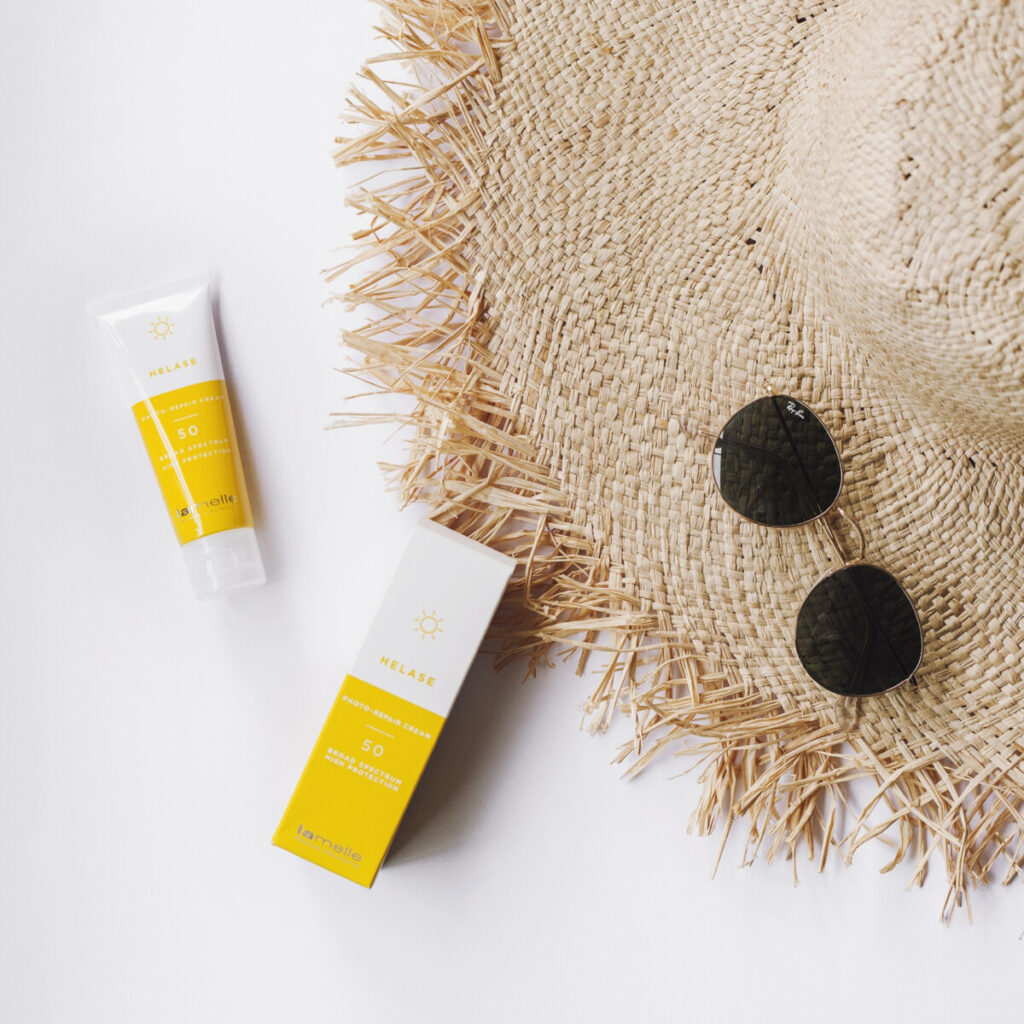
Lamelle’s Helase range, including Photo Repair Tint 50+, protects against the full sunlight spectrum while super antioxidants like Pycnogenol reduce harmful free radicals and skin inflammation.
In short, this is an ultimate upgrade from your regular SPF 50.
Learn More: www.lamelle.co.za