
Wellness & Health · 20 Aug 2026
Meningococcal Meningitis in South Africa: New Vaccine Option Available for Children and Adults
[et_pb_section fb_built=”1″ theme_builder_area=”post_content” _builder_version=”4.27.8″ _module_preset=”default”][et_pb_row _builder_version=”4.27.8″ _module_preset=”default” theme_builder_area=”post_content”][et_pb_column _builder_version=”4.27.8″ _module_preset=”default” type=”4_4″ theme_builder_area=”post_content”][et_pb_text _builder_version=”4.27.8″ _module_preset=”default” theme_builder_area=”post_content” hover_enabled=”0″ sticky_enabled=”0″]
A new vaccine is now available in South Africa to help protect children from 12 months of age, as well as adolescents and adults, against four types of meningococcal bacteria that can cause invasive meningococcal disease
Meningococcal meningitis is a rare but serious bacterial infection that can become life-threatening within hours. While many people have heard of the disease, fewer realise how quickly it can progress from mild symptoms to a medical emergency.
A new vaccine is now available in South Africa to help protect against four meningococcal bacteria types – A, C, W and Y. It can be given to children from 12 months of age, as well as adolescents and adults.
Why meningococcal meningitis is a medical emergency
Invasive meningococcal disease (IMD) is caused by bacteria that can lead to meningitis, an infection of the lining surrounding the brain and spinal cord, or sepsis, a severe bloodstream infection.
According to Diane Buron, Medical Head for Vaccines at Sanofi South Africa, awareness and prevention remain essential because of how rapidly the disease can worsen.
“Because meningococcal meningitis can become serious so quickly, prevention and awareness are crucial. We want families to know the signs to look out for and feel comfortable speaking to their healthcare provider about the prevention options available to them.”
Who is most at risk?
Although meningococcal meningitis can affect anyone, young children and adolescents face a higher risk. Adults can also develop the disease.
The bacteria often live harmlessly in the nose and throat and spread through close contact, including coughing, sneezing, kissing or sharing saliva. While most carriers never become ill, the bacteria can sometimes enter the bloodstream and cause severe infection.
South Africa recorded 148 cases of invasive meningococcal disease in 2025, according to the National Institute for Communicable Diseases (NICD).
-
35% of cases occurred in children under five.
-
26% affected children and adolescents aged five to 17.
-
Nearly half of reported cases were linked to meningococcal bacteria types C, W and Y.
Cases can occur throughout the year but tend to increase from winter into spring.
Meningococcal meningitis symptoms
One of the biggest challenges is that early symptoms often resemble common viral illnesses.
Symptoms may include:
-
Fever
-
Severe headache
-
Stiff neck
-
Confusion
-
Sensitivity to light
-
Nausea and vomiting
Babies and young children may show different warning signs, including:
-
Unusual sleepiness
-
Irritability
-
Poor feeding
-
Difficulty waking
-
Persistent crying
The infection can also lead to sepsis. Warning signs include cold hands and feet, rapid breathing, and a rash that does not fade when pressed.
“Meningococcal meningitis is a medical emergency,” says Buron. “If someone is seriously ill or getting worse quickly, seek urgent medical care. Don’t wait for every symptom to appear before getting help.”
[/et_pb_text][/et_pb_column][/et_pb_row][et_pb_row _builder_version=”4.27.8″ _module_preset=”default” column_structure=”1_2,1_2″ theme_builder_area=”post_content”][et_pb_column _builder_version=”4.27.8″ _module_preset=”default” type=”1_2″ theme_builder_area=”post_content”][et_pb_text _builder_version=”4.27.8″ _module_preset=”default” theme_builder_area=”post_content” hover_enabled=”0″ sticky_enabled=”0″]
How vaccination helps protect against meningococcal disease
Vaccination remains one of the most effective ways to reduce the risk of meningococcal meningitis.
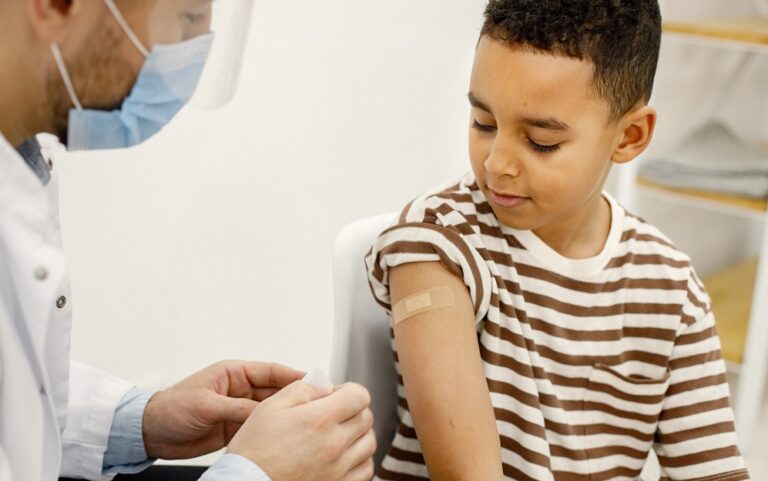
The newly available vaccine in South Africa provides protection against four meningococcal bacteria types – A, C, W and Y – and is approved for children from 12 months of age, adolescents and adults.
[/et_pb_text][/et_pb_column][et_pb_column _builder_version=”4.27.8″ _module_preset=”default” type=”1_2″ theme_builder_area=”post_content”][et_pb_image src=”http://www.joburgstyle.co.za/wp-content/uploads/2026/08/Untitled-design-51-1024×576-1.jpg” _builder_version=”4.27.8″ _module_preset=”default” theme_builder_area=”post_content” alt=”Meningococcal meningitis South Africa vaccine” title_text=”Meningococcal meningitis South Africa vaccine” hover_enabled=”0″ sticky_enabled=”0″][/et_pb_image][/et_pb_column][/et_pb_row][et_pb_row _builder_version=”4.27.8″ _module_preset=”default” theme_builder_area=”post_content”][et_pb_column _builder_version=”4.27.8″ _module_preset=”default” type=”4_4″ theme_builder_area=”post_content”][et_pb_text _builder_version=”4.27.8″ _module_preset=”default” theme_builder_area=”post_content” hover_enabled=”0″ sticky_enabled=”0″]
When to speak to your healthcare provider
As South Africa moves from winter into spring, when meningococcal disease cases typically rise, healthcare professionals encourage families to discuss meningococcal vaccination with their doctor or clinic.
A healthcare provider can advise whether vaccination is appropriate based on age, previous vaccinations and individual risk factors.
[/et_pb_text][/et_pb_column][/et_pb_row][et_pb_row _builder_version=”4.27.8″ _module_preset=”default” theme_builder_area=”post_content”][et_pb_column _builder_version=”4.27.8″ _module_preset=”default” type=”4_4″ theme_builder_area=”post_content”][et_pb_social_media_follow _builder_version=”4.27.8″ _module_preset=”default” theme_builder_area=”post_content” hover_enabled=”0″ sticky_enabled=”0″][et_pb_social_media_follow_network social_network=”facebook” background_color=”#3b5998″ _builder_version=”4.27.8″ _module_preset=”default” follow_button=”off” url_new_window=”on” theme_builder_area=”post_content” url=”https://www.facebook.com/Sanofi” hover_enabled=”0″ sticky_enabled=”0″]facebook[/et_pb_social_media_follow_network][et_pb_social_media_follow_network social_network=”instagram” background_color=”#ea2c59″ _builder_version=”4.27.8″ _module_preset=”default” follow_button=”off” url_new_window=”on” theme_builder_area=”post_content” url=”https://www.instagram.com/sanofi/” hover_enabled=”0″ sticky_enabled=”0″]instagram[/et_pb_social_media_follow_network][et_pb_social_media_follow_network social_network=”google” background_color=”#4285f4″ _builder_version=”4.27.8″ _module_preset=”default” theme_builder_area=”post_content” follow_button=”off” url_new_window=”on” url=”https://www.sanofi.com/en/south-africa” hover_enabled=”0″ sticky_enabled=”0″]google[/et_pb_social_media_follow_network][/et_pb_social_media_follow][/et_pb_column][/et_pb_row][/et_pb_section]