
Travel and Tourism · 15 Mar 2025
From the desk of Bianca Emmerick
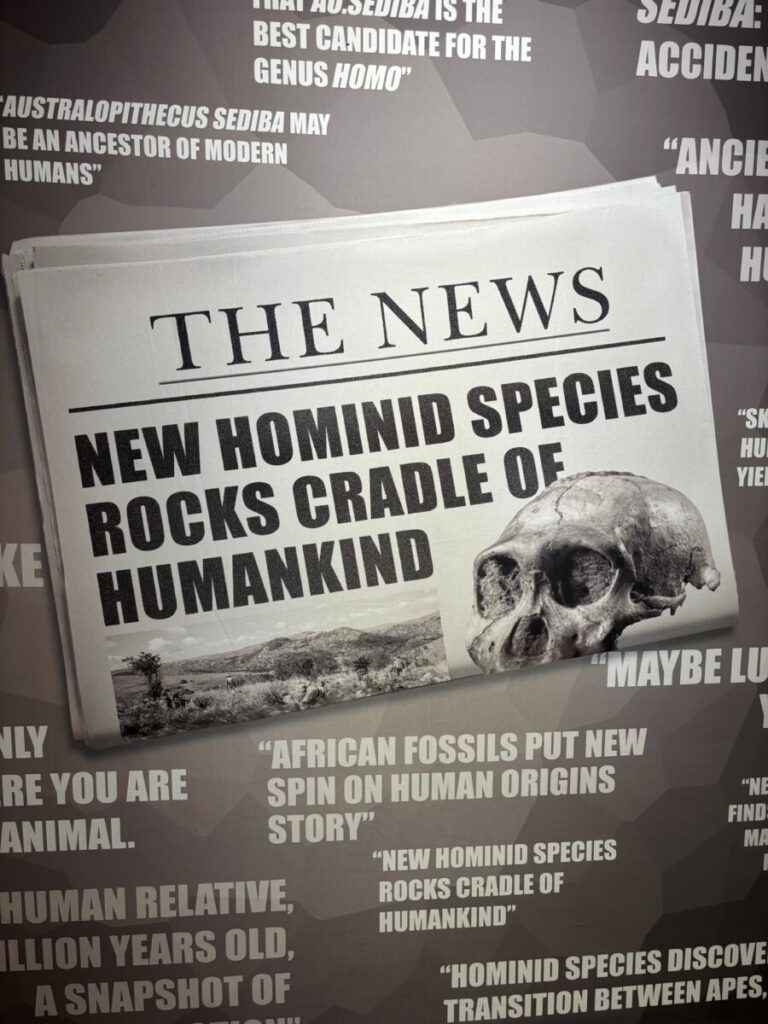
The Fascinating Birth of the Malapa Museum: A Journey Through Time and Discovery
When you visit the Malapa Museum, you’re not just stepping into a building you’re stepping into a story millions of years in the making. And that story took a thrilling turn one fateful morning on August 15, 2008, thanks to the most unlikely of fossil hunters: a nine-year-old boy named Matthew Berger.
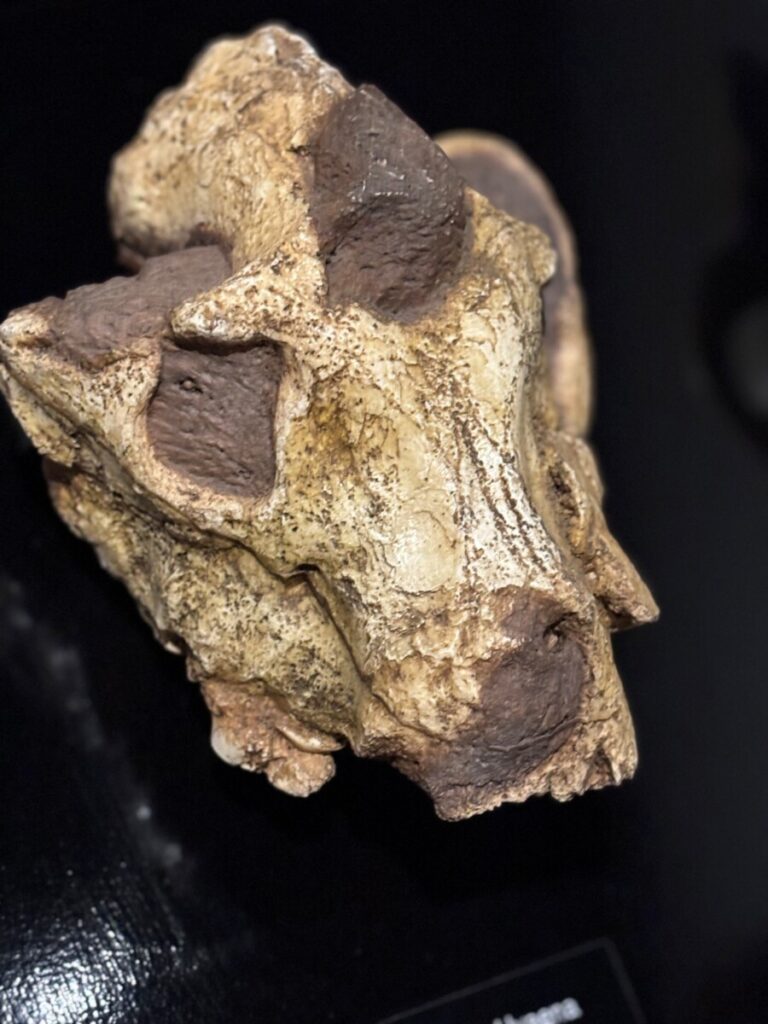
Picture this: It is around 11 am. Young Matthew is out exploring the wilds of Malapa with his dad, Palaeoanthropologist Lee Berger. And like all kids on a little adventure, Matthew’s got his eyes glued to the ground, hoping to find something cool. Suddenly, he shouts,Dad ! I found a fossil! And this wasn’t some ordinary rock or a dusty old bone, this was a fossilised clavicle, a canine, and part of a mandible, belonging to an entirely new species of ancient human relative. And he just happened to stumble upon it like he was looking for candy.
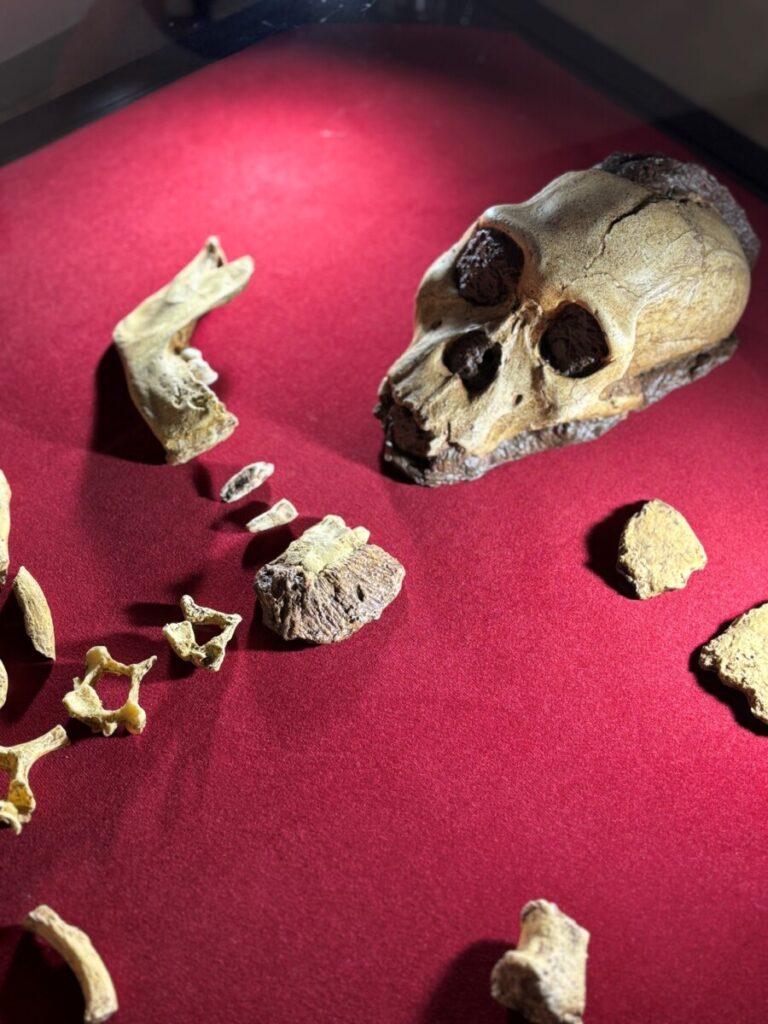
Lee Berger, who had been scouring the land for years for significant finds, finally got his excavation permit on September 4. After days of searching, he almost left the area empty-handed. But as fate would have it, when he climbed down into a cave, he discovered what would later be recognized as the near-complete skeletons of a woman and a child. They were preserved so well that it looked like they had been sleeping there for 1.9 million years. And guess what? They weren’t just random fragments. These were nearly complete skeletons, something that is almost unheard of in the world of paleoanthropology.
Now, before you start imagining Matthew Berger as a fossil-hunting superhero (which, honestly, he kind of is), the real adventure was just beginning. Lee Berger needed help excavating this groundbreaking discovery. So, he went around to the surrounding farms and townships to recruit staff. And that is where we meet Zandele.
Zandele, who has been with the excavation team for nearly 29 years, admits she initially thought she was being recruited to find missing people lost in the bush veld. Never in her wildest dreams did she think she’d be looking for bones! But that moment sparked a passion that would change her life. Today, she’s a meticulous fossil technician responsible for carefully removing bones from rock with the patience and precision of a jeweller. She works best with her headphones on, listening to classical music as she uncovers pieces of our ancient history.
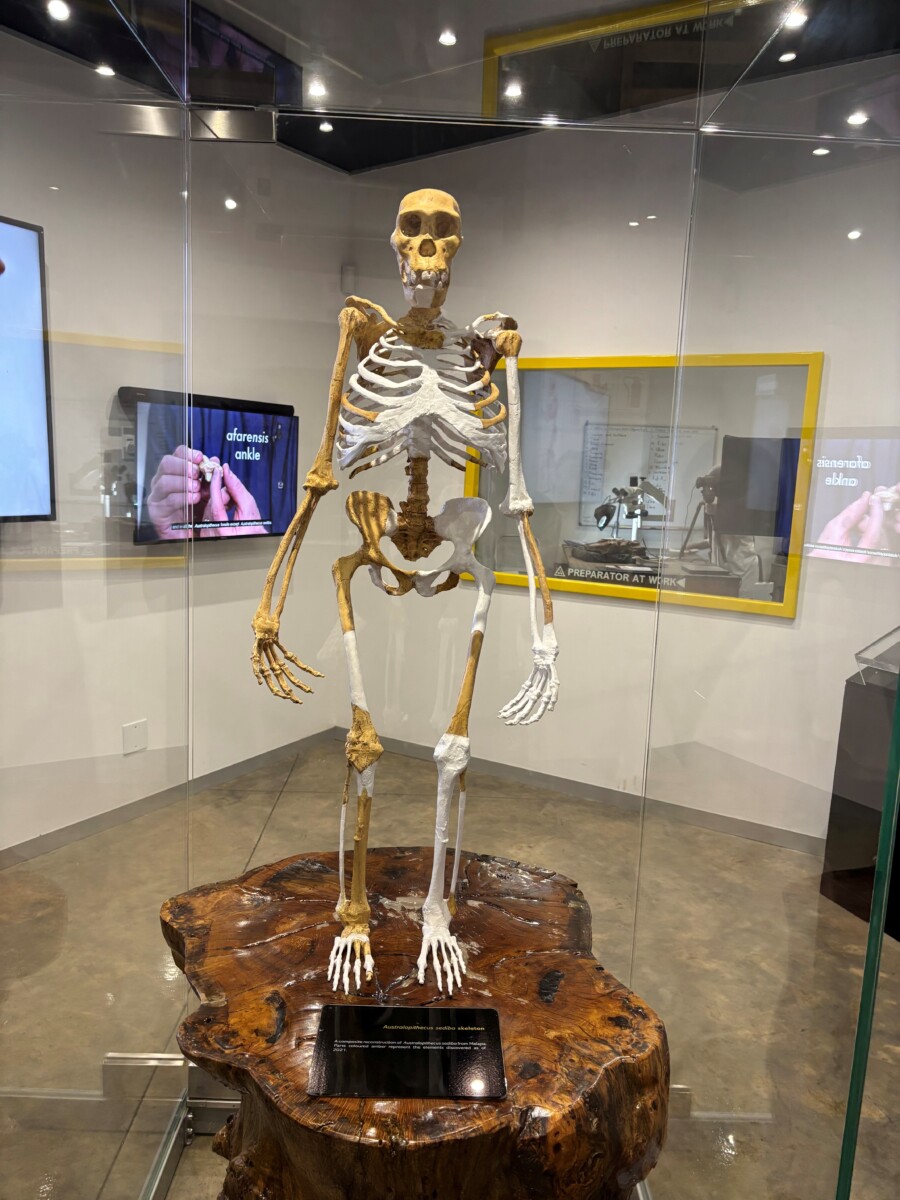
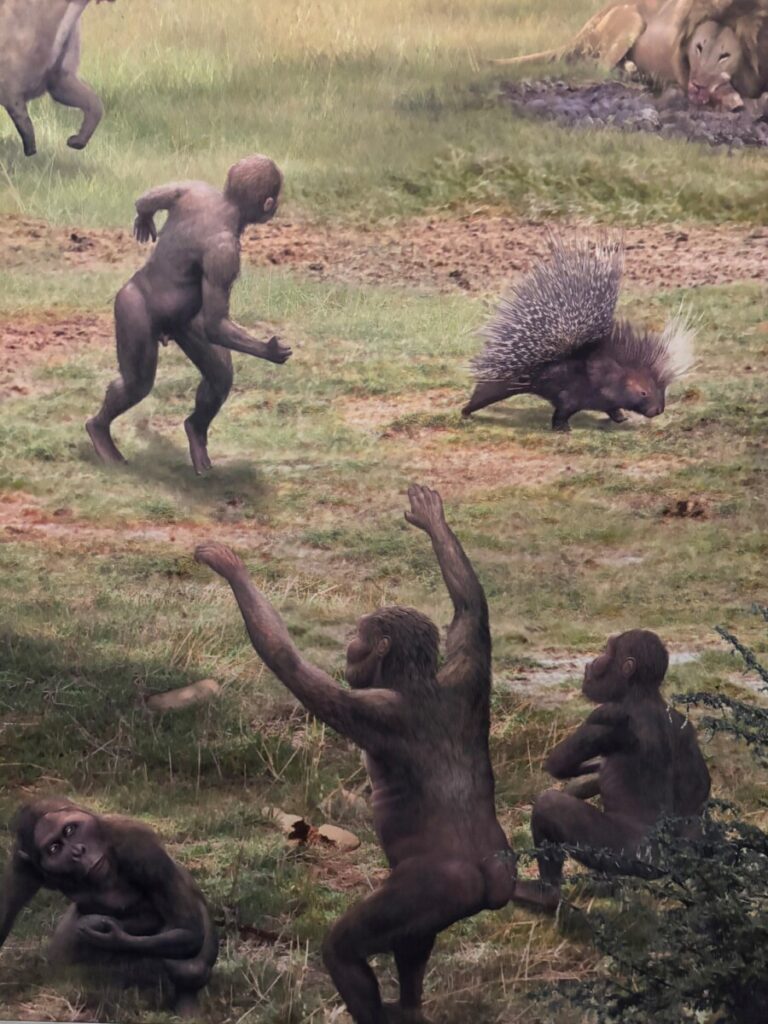
The discovery was officially published in 2010 in a special edition of the journal Science. Since then, hundreds of scientific papers, book chapters, and theses have been published about this remarkable Home-like Australopith known as Australopithecus sediba. This species has long arms like an ape but a pelvis and legs that suggest it could walk — and maybe even run — like a human. It was small, about 1.27 meters tall, weighing around 33 kilograms, but it’s left a huge impact on our understanding of human evolution.
But Malapa didn’t stop making headlines. In 2013, another astonishing discovery occurred: hundreds of Homo naledi fossils were found deep in the nearby Rising Star cave system. These fossils, displaying a bizarre mix of modern and primitive traits, were the largest discovery of its kind in Africa. And the mystery of how they got so deep in the cave where no natural entrance existed before has baffled scientists ever since.
What makes this all even more impressive is that the Malapa site and the newly excavated Rising Star site, along with the Sterkfontein Caves, are among the richest early human ancestor sites on the planet. And the work is far from over. Excavations at Malapa are expected to continue for decades, with many more discoveries waiting to be unearthed.
Visiting the Malapa Museum is not just about seeing fossils; it is about experiencing a living, breathing piece of history. And to make the experience even better, you can stay at the luxurious Riverhorse Lodge,a place so beautiful and serene you can’t help but wonder if it is indeed a part of some prehistoric magic?
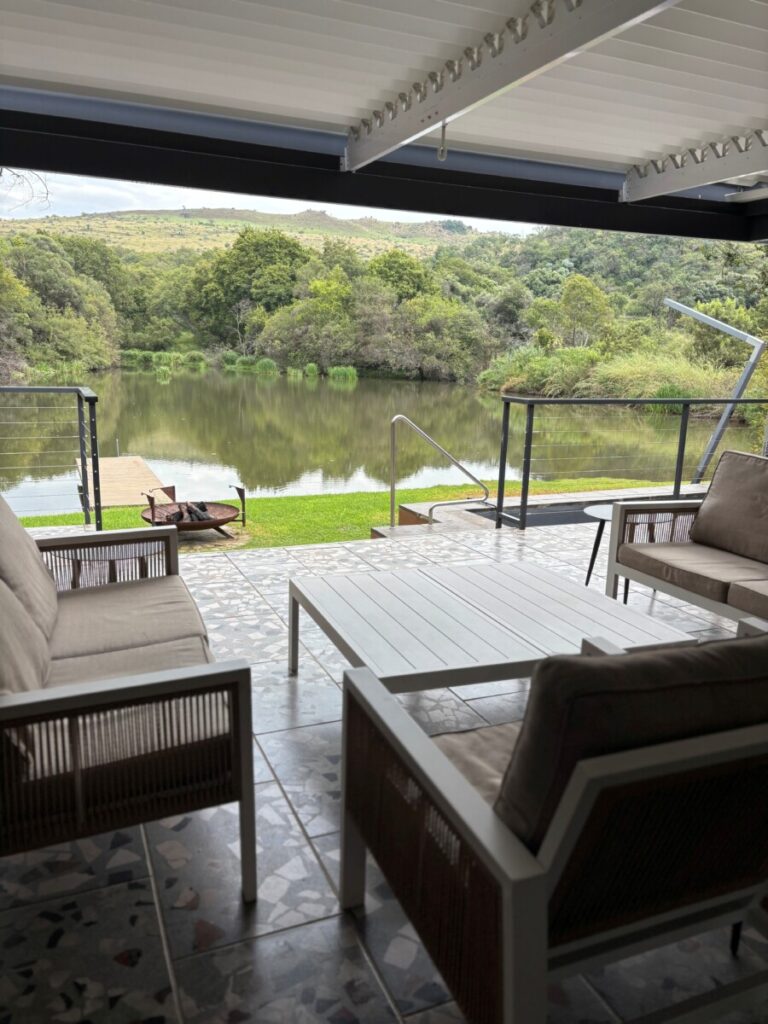
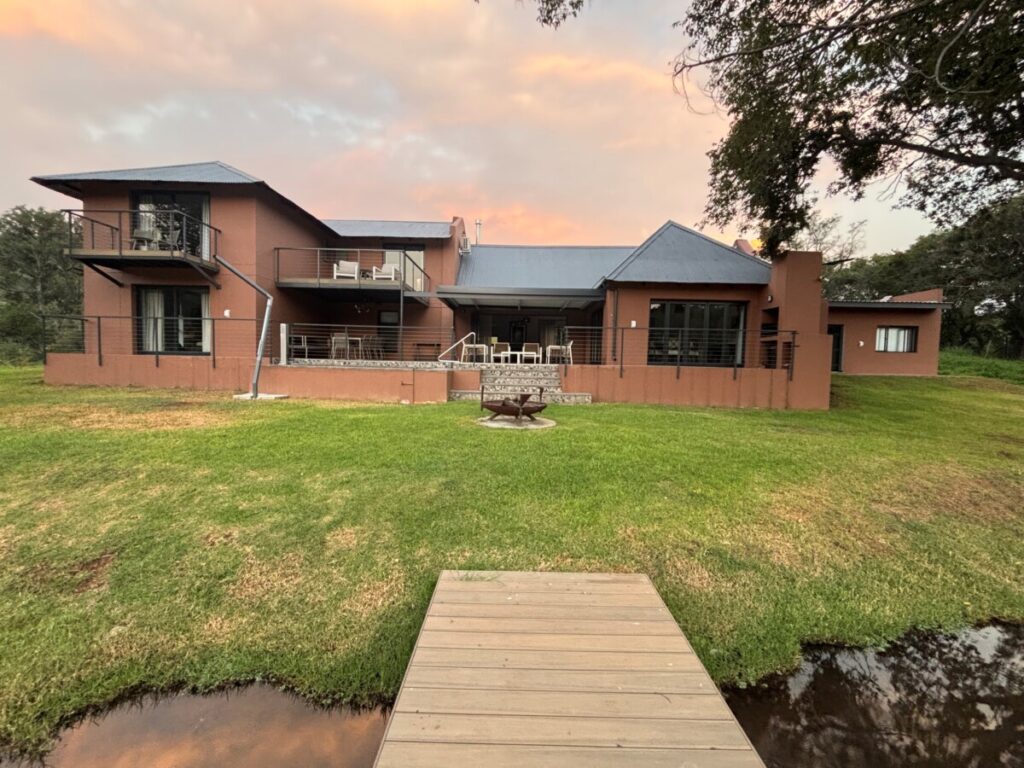
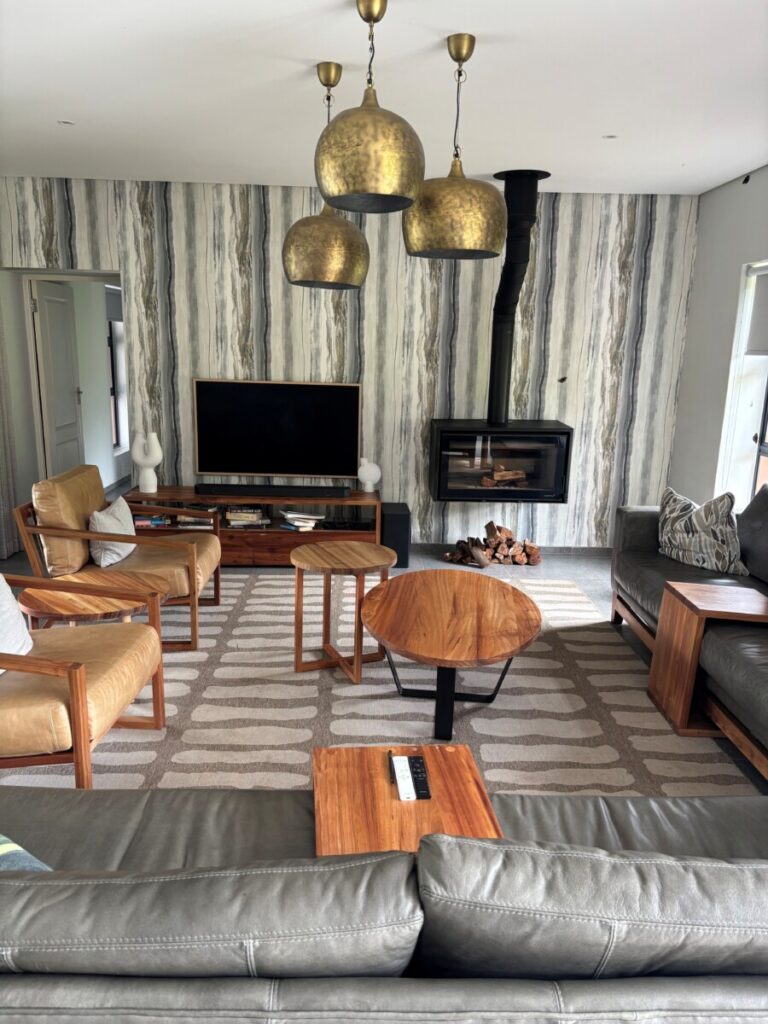
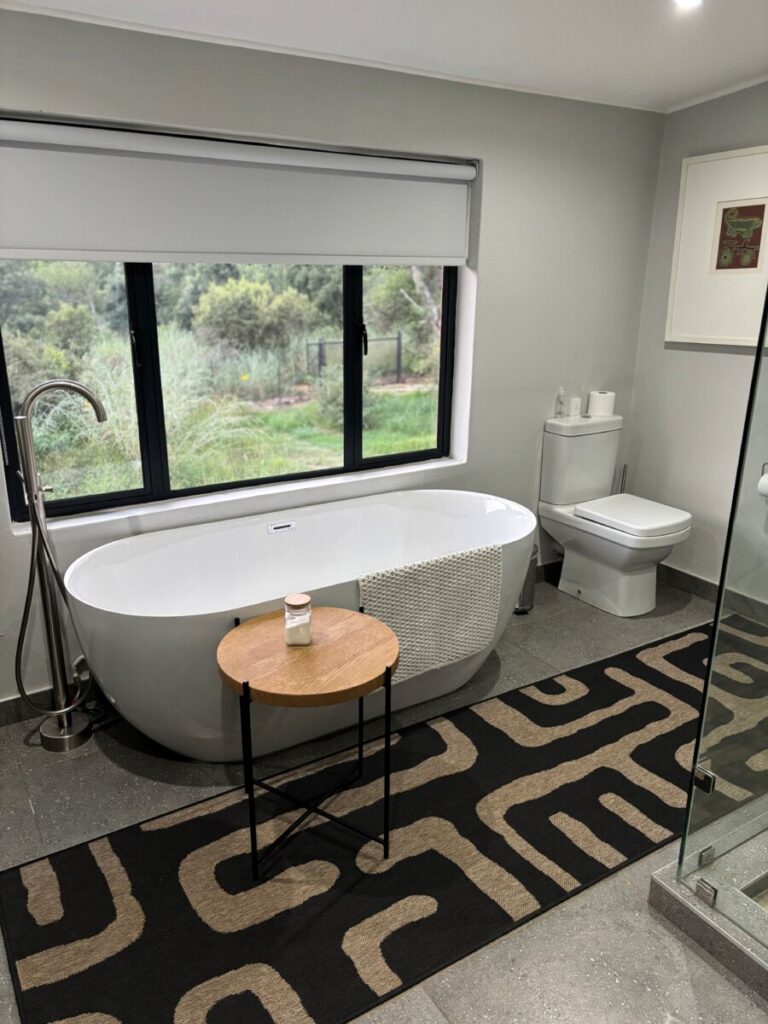
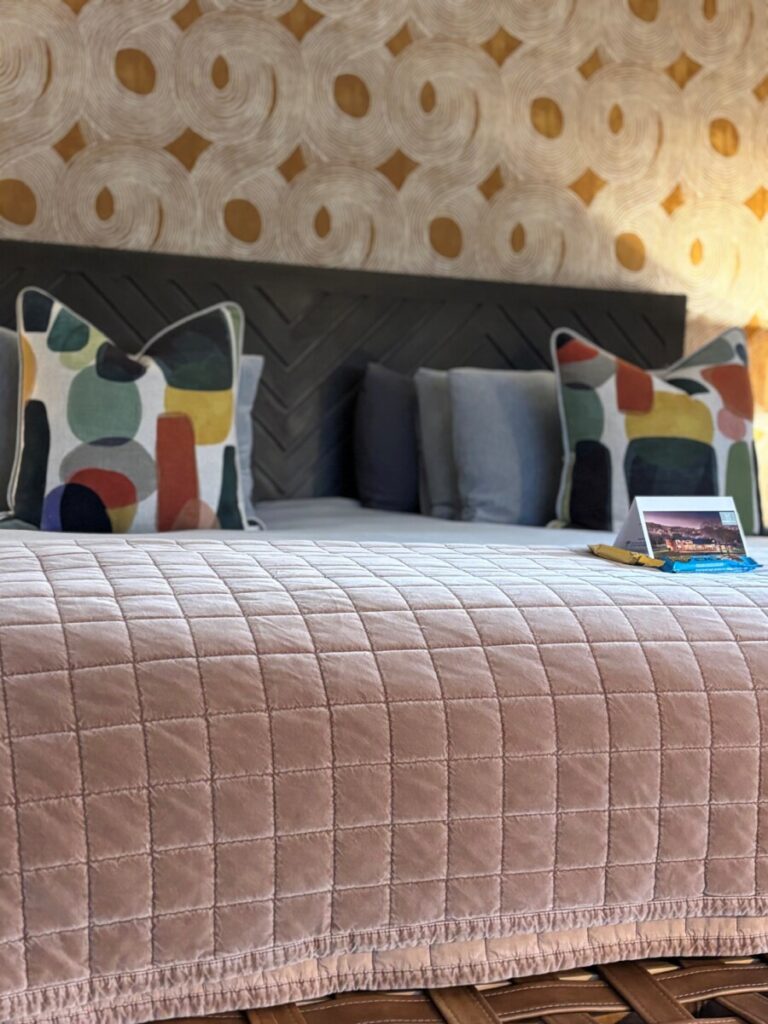
Set in the privately owned Greater Cradle Nature Reserve, Riverhorse Lodge is surrounded by 9,000 hectares of pristine high veld landscape, clear spring water, and breathtaking wildlife. The lodge offers five beautifully designed en-suite rooms, temperature-controlled bedrooms, a cozy lounge area with a fireplace, and even a wood-burning KolKol hot tub perfect for sundowners. Plus, you get a personal chef, a butler named Kevin who anticipates your every need, and a full-time housekeeper. This is not just a stay; it’s an experience.
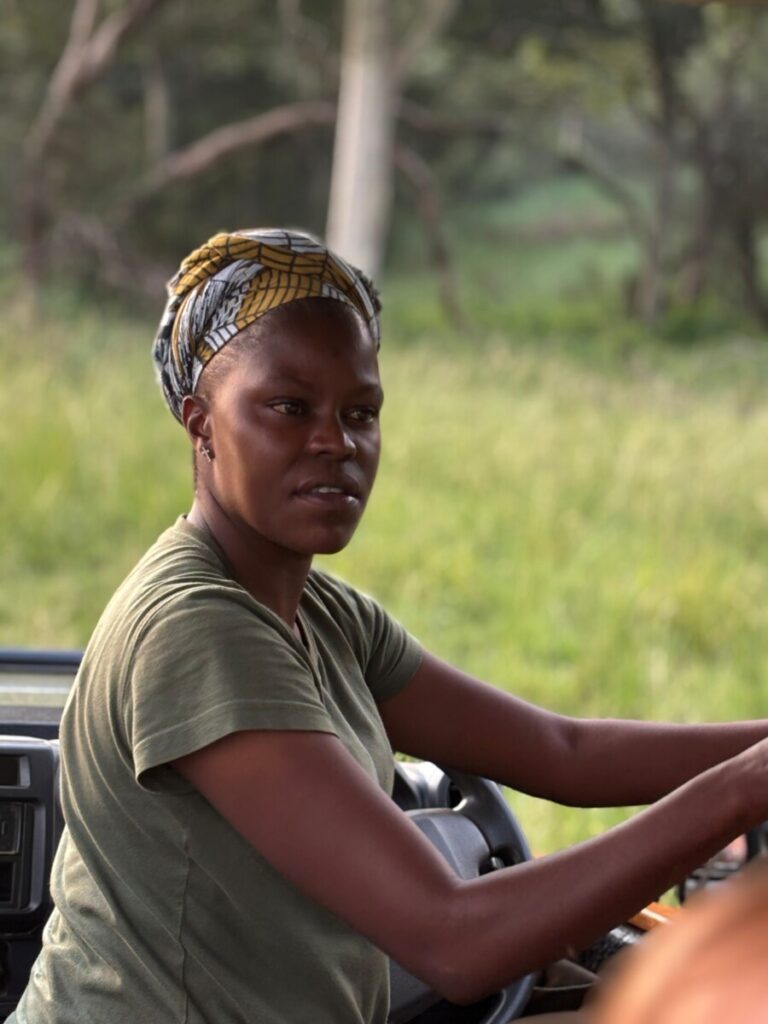
After a day spent walking in the footsteps of ancient ancestors, I found myself on a game drive with Presetelo, a ranger who somehow made learning about the local wildlife feel like an entertaining stand-up routine. Her humor and knowledge made the whole experience unforgettable.
By the time I settled into my luxurious room back at Riverhorse Lodge, with every detail perfectly curated to create a magical stay, I couldn’t help but feel a little of the magic of Malapa. I understood why so many incredible discoveries happened here.
But here is something that stuck with me: When I asked about the number of researchers working on such an important project, I was told that not many students are choosing to study Paleoanthropology or human evolution. As a parent myself, I couldn’t help but wonder if are exposing are children to these fields of study in the school systems? Are we having the right discussions with our children about these incredible fields of study?
Visiting the Malapa Museum and staying at Riverhorse Lodge is a bucket-list experience, no question. But more than that, it is an invitation to learn, to be inspired, and maybe even to spark a new passion. And who knows? The next great discovery could be waiting for someone like you to find it.
10/10 ” Highly recommended