
Business & Tech Innovation · 13 Aug 2025
SA Expert: Local Cosmetic Injectables Safe Despite Overseas Botulism Scare

Recent events in the United States have reignited global concerns about the safety of botulinum toxin. A mother of three from Georgia experienced partial paralysis after receiving routine botulinum toxin injections and developed a severe migraine immediately afterward.
Choosing a Safe Practitioner for Botulinum Toxin Safety
While such extreme complications are uncommon, the case highlights the importance of a qualified, experienced medical professional performing any injectable procedure at a reputable clinic.
Dr. JD Erasmus, a general practitioner who specialises in aesthetics and heads the Aesthetics department at the Longevity Centre at RXME, emphasises that when professionals perform botulinum toxin injections correctly, concerns about botulism are largely unfounded.
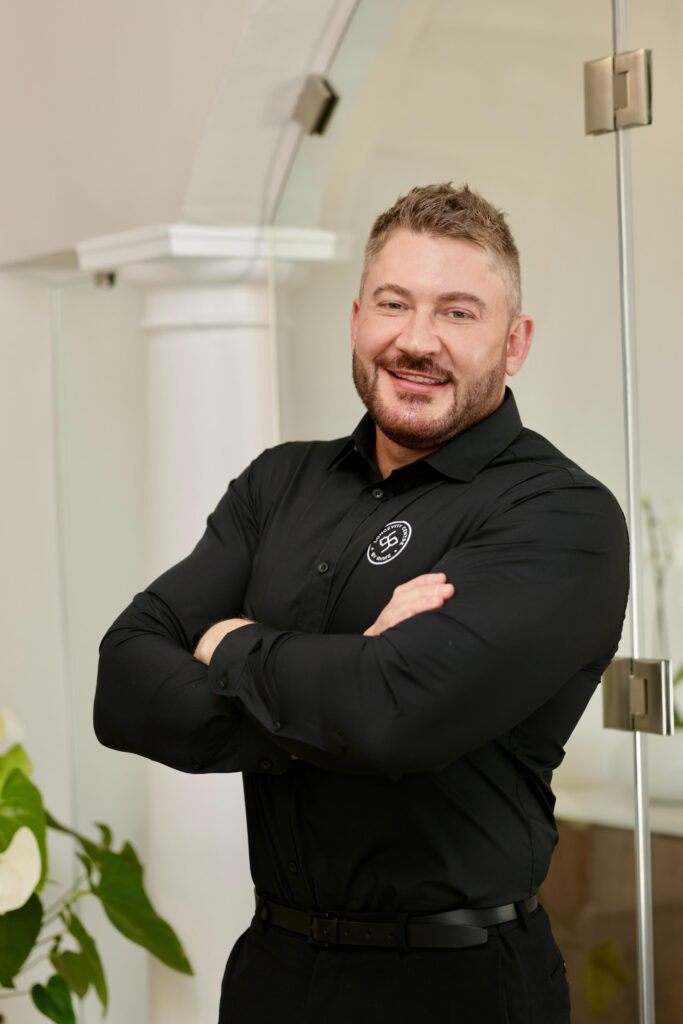

‘People hear the word ‘toxin’ and understandably get nervous. But iatrogenic botulism (caused by a medical treatment) after aesthetic treatments is extremely rare in medical clinics with qualified doctors who follow proper protocols and only inject trusted products from regulated manufacturers,’ he notes.
He adds that botulinum toxin is one of the most extensively studied anti-ageing treatments in aesthetic medicine. It works by relaxing targeted facial muscles, tightening and rejuvenating the skin, smoothing lines and wrinkles, and can even help relieve tension headaches.
‘In cosmetic treatments, it’s used in very small, highly controlled doses by trained professionals. When done correctly, it stays where it’s injected, does its job, and your body naturally breaks it down over time. The horror stories we hear are almost always linked to unqualified practitioners, dangerously high doses, and fake or unregistered products, and are not the work of reputable doctors in South Africa.’
~ Dr JD Erasmus

Understanding Botulism and Its Risks
In cases of iatrogenic botulism from botulinum toxin injections, the toxin moves further than the treatment area and causes muscle weakness, an unusual complication rarely seen in aesthetic injections.
Botulism in all its forms – which can result from contaminated food, infected wounds, or other sources – occurs in less than one in 100,000 cases. Dr Erasmus explains that, according to their research, no recorded cases link botulism to aesthetic treatments in South Africa.
Overseas, however, the risks increase where regulations are weaker. In one extreme case in Turkey two years ago, 71 people developed iatrogenic botulism from botulinum toxin injections in just over a month, and 66 of those cases traced back to the same clinic. This is the danger of medical or cosmetic tourism to poorly regulated markets.
As Dr Erasmus warns, “You don’t always know what product is being used, who is injecting it, or whether proper safety standards are being followed, and you can’t always follow up with your practitioner if you have any concerns after the procedure.”
He stresses that these incidents serve as important reminders to take your health seriously and rather choose a clinic you can trust. Before booking a treatment, check your practitioner’s qualifications and reputation, and make sure the facility follows stringent product quality and safety regulations.
Some well-known medical tourism hubs exploit this by advertising package deals that bundle flights, hotel stays, and same-day treatments at prices local doctors cannot match. While many foreign facilities operate responsibly, others might exploit regulatory gaps, employ non-medical injectors, or import high-potency botulinum toxins in bulk.
Ensuring Botulinum Toxin Safety Through SA Regulations
South Africa’s regulations help prevent the kind of misuse seen in some other countries. The South African Health Products Regulatory Authority (SAHPRA), or the Food and Drug Administration (FDA) in America, classifies botulinum toxin injections as a Schedule 4 medicine.
Only doctors registered with the Health Professions Council of South Africa (HPCSA) can buy and inject it, and distributors need special permits from SAHPRA to sell it. Additionally, doctors in regulated markets receive extensive training to ensure accurate and safe injections.
What to Look for in a Reputable Clinic
Clinics like the Longevity Centre at RXME ensure careful control over every step. This includes storing vials at the exact right temperature, mixing them in sterile conditions, logging batch numbers, and safely discarding any leftover product after a set time. These measures keep the product safe and create a full record of its use.
Licensed practitioners also follow other essential safety steps. They assess each patient to ensure injections are suitable, calculate the correct dose for the best results with minimal risk, stay up to date with training, and use only approved products from authorised suppliers.
Dr. Erasmus recommends that patients verify their chosen practitioner’s registration with the HPCSA, request to see the unopened box before mixing, note the lot number in their file, and ensure a clear follow-up plan is in place. Ethical clinics welcome these questions, recognising the importance of keeping patients fully informed before any treatment.
Ultimately, overseas news stories should serve as lessons about the dangers of taking shortcuts, not as reasons to panic. Dr Erasmus concludes that botulinum toxin has one of the best safety records in aesthetic medicine, and in South Africa, if you choose a qualified doctor and a reputable clinic, the risk of serious complications is almost non-existent.
To learn more about botulinum toxin safety, explore the Longevity Centre at RXME at www.rxmegroup.com
For similar articles, go here.